How Failing to Practice the ABCDEF Bundle Creates Legal Liabilities in the ICU

How Failing to Practice the ABCDEF Bundle Creates Legal Liabilities in the ICU

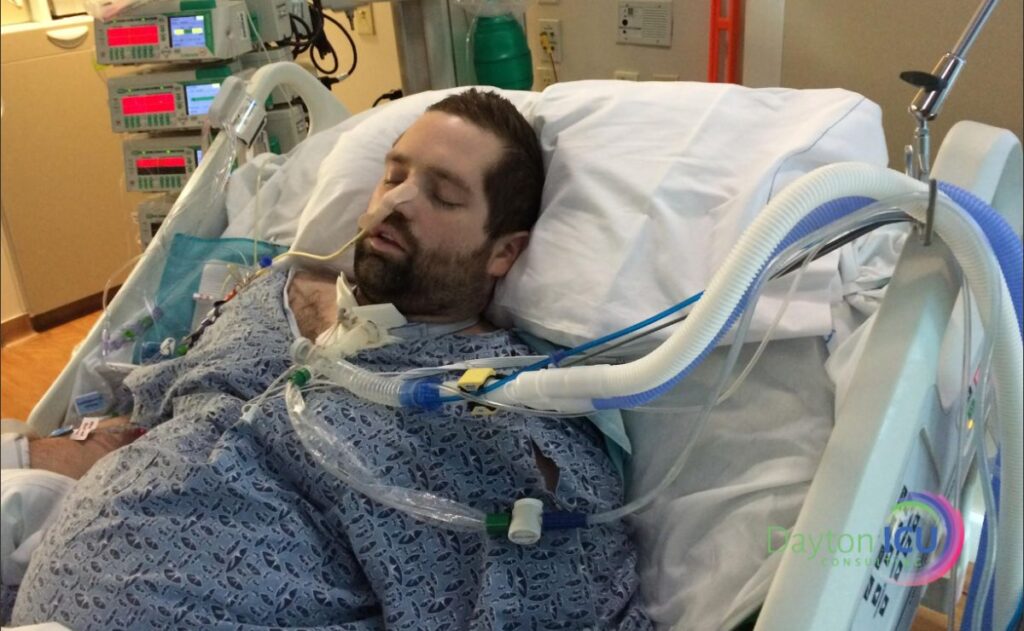
As a nurse and a nurse advocate, I am passionate about protecting nurses and all ICU clinicians from falling victim to legal liabilities in the ICU. The alarming reality is that when hospitals fail to train and support their teams in keeping patients as awake and mobile as possible, everyone from hospital administrators to bedside

Learn More > from How Failing to Practice the ABCDEF Bundle Creates Legal Liabilities in the ICU

Sedation by Race- How Outdated ICU Practices Are Exacerbating Health Care Inequality for Hispanic Patients

Sedation by Race: How Outdated ICU Practices Are Exacerbating Health Care Inequality for Hispanic Patients

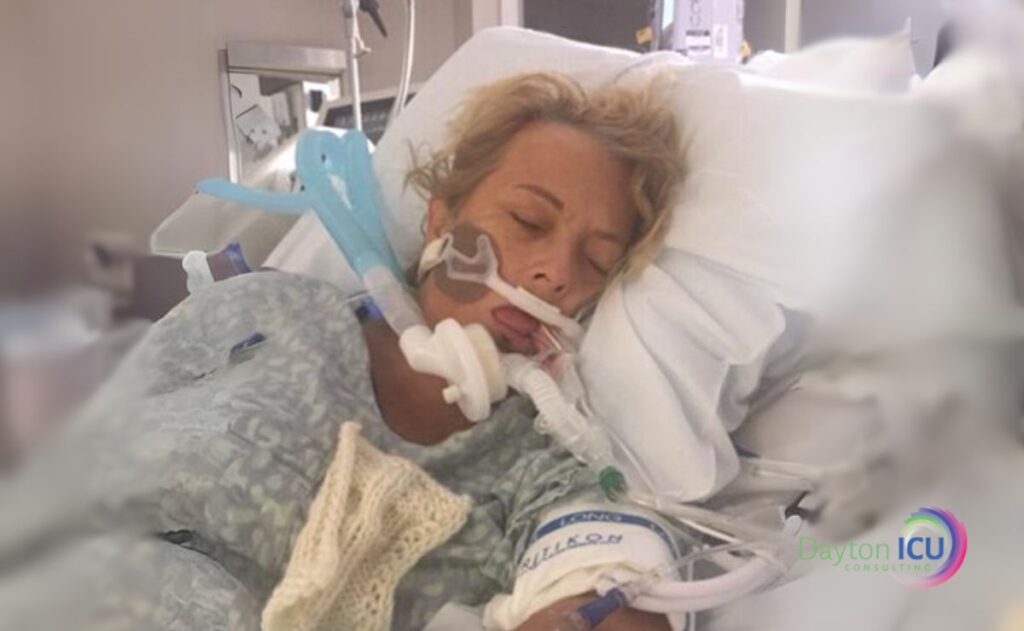
Health care inequality in critical care medicine is multifactorial and negatively impacts patient outcomes [18]. During COVID-19, for instance, it was noted that Hispanic patients were more at risk of having severe COVID-19 infections, and despite their younger age, they had a higher mortality rate. Socioeconomic disparities, lack of access to health care, timing, and

Learn More > from Sedation by Race: How Outdated ICU Practices Are Exacerbating Health Care Inequality for Hispanic Patients

Patients and Their Families Have the Right to Know the Risks of Sedation

Patients and Their Families Have the Right to Know the Risks of Sedation

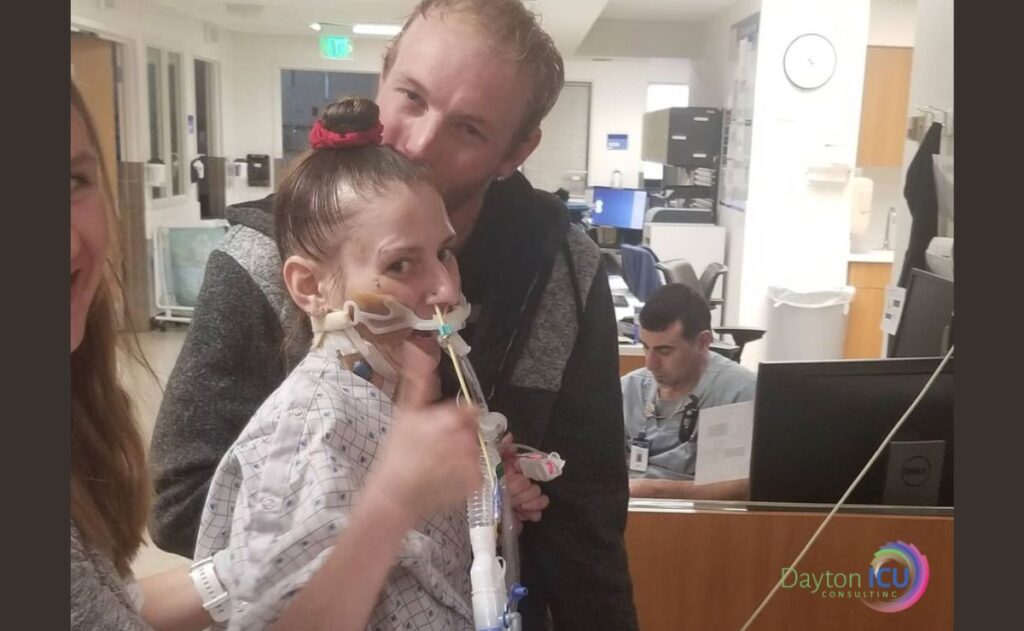
Patient autonomy is a pillar of clinical ethics, and it’s vital to the integrity of any clinical practice. Observance of this principle works to uphold patients’ rights, fosters trust and collaboration, respects diversity, and empowers individuals to actively participate in decision-making regarding their healthcare. In our efforts to protect patient autonomy, one of the best

Learn More > from Patients and Their Families Have the Right to Know the Risks of Sedation

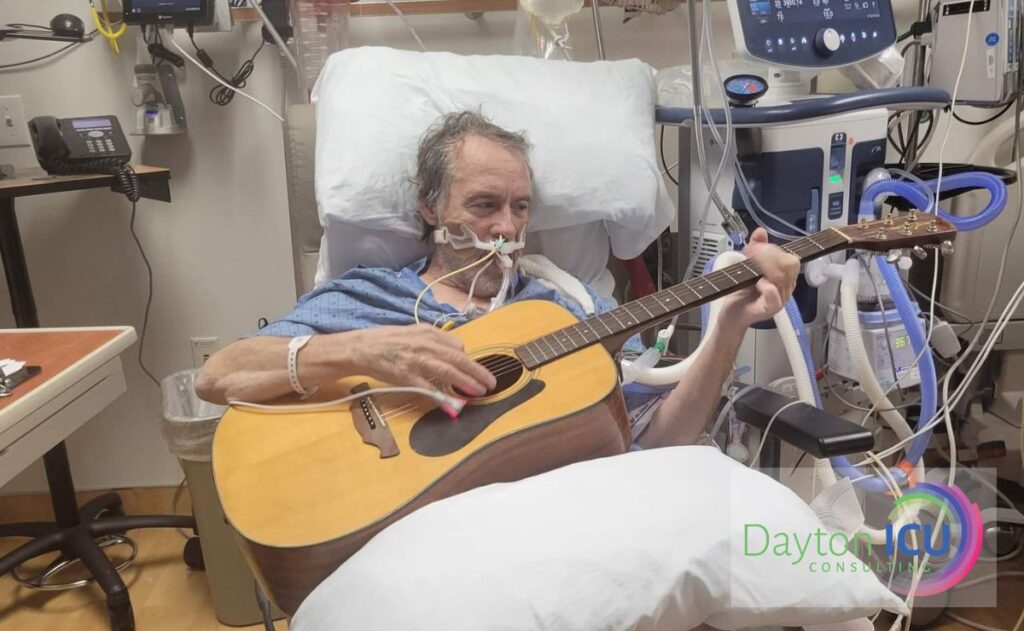
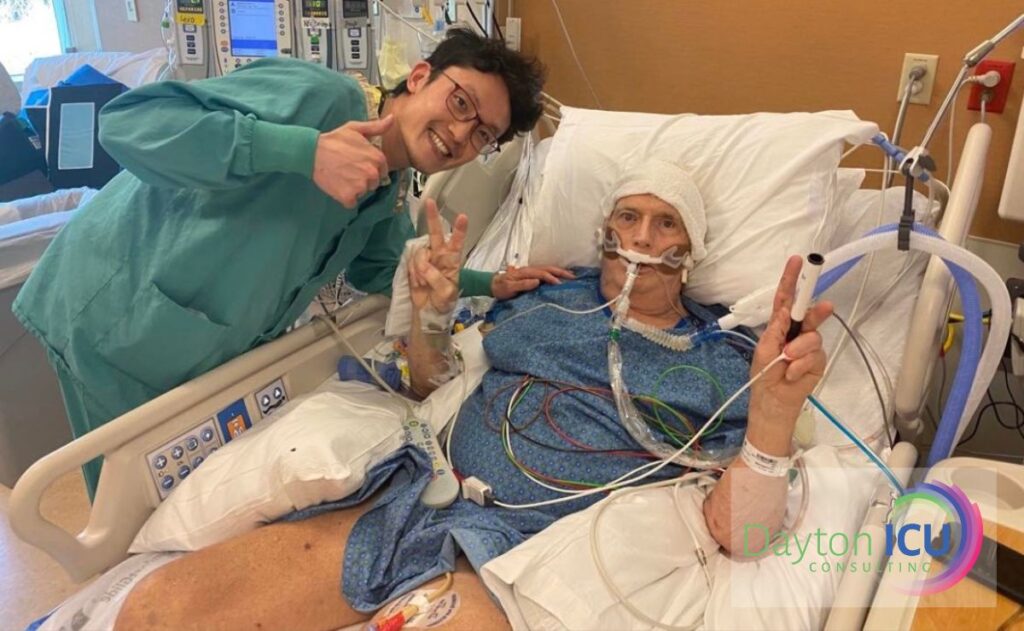
ICU testimonialI stumbled upon Kali’s podcast midway through my anesthesia critical care fellowship in February 2021. At our institution, I got the impression that patients in the ICU either got better on their own or had a prolonged and complicated course to LTAC or death. In her podcast, Kali explained that LTAC was rarely the outcome for patients in the Awake and Walking ICU™ in Salt Lake City.

Their ICU survivors hardly ever got trached, PEGed, or sent to LTAC, and literally walked out of the hospital in condition as close to their previous health as they could be. Although the concept of using no sedation on ventilated patients was completely foreign to me, it made sense based on what I had read in the literature. I devoured all of the episodes from the beginning, many of them bringing tears and regret for my ignorance, followed by inspiration and hope in later episodes. Listening to her podcast has been one of the most profound experiences in my short, eight-year career in medicine.

After discovering the no sedation, early mobility practice at the Awake and Walking ICU™, my focus shifted to bringing it to my own institution. I visited Salt Lake City in March to witness it with my own eyes. Since then, I’ve been in touch closely with Kali and Louise to learn the practical approaches to sedation wean and sedation avoidance for newly intubated patients in the ICU.

Mikita Fuchita, MD
Colorado, USA

READ MORE TESTIMONIALS >

DOWNLOAD THIS VALUABLE FREE REPORT

Perception Versus Reality: Debunking The Myths About Medically-Induced Comas

By clicking the Subscribe button, you agree to this site's Privacy Policy. Your information is always kept safe.