Episode 195: Public Opinion on Informed Consent and Medically-Induced Comas

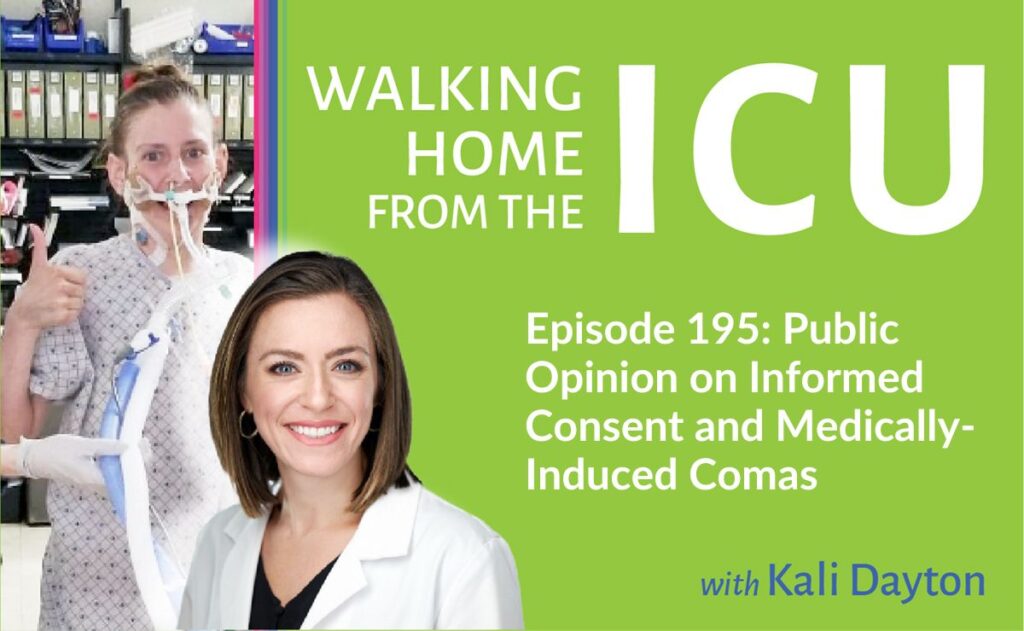
Episode 195: Public Opinion on Informed Consent and Medically-Induced Comas

If the choice between being sedated or awake and mobile was provided prior to intubation with the risks disclosed, what would the general public choose? Do patients and families have a right to know the risks of continuous sedation? I interviewed strangers in airports throughout the USA to learn more about their preferences. Episode Transcription

Learn More > from Episode 195: Public Opinion on Informed Consent and Medically-Induced Comas

Episode 141: Fighting For Your Life With Your Eyes Open

Walking Home From The ICU Episode 141: Fighting For Your Life With Your Eyes Open

Sedation is often given with the hopes of sparing patients the discomfort and awareness of the struggles of the ICU. Yet, does that ultimately prevent harm and suffering? Antonette Montalvo, APRN shares with us what it meant to her to be able to fight for her life with her eyes open. Episode Transcription Kali Dayton

Learn More > from Walking Home From The ICU Episode 141: Fighting For Your Life With Your Eyes Open

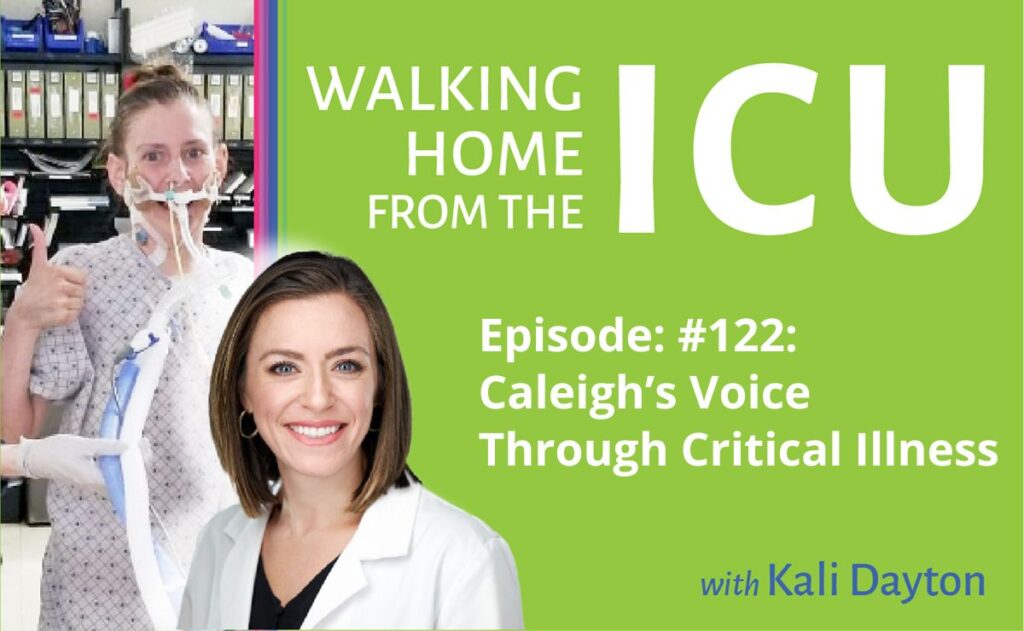
Walking Home From The ICU Episode 122 Caleigh’s Voice Through Critical Illness

Walking Home From The ICU Episode 122: Caleigh’s Voice Through Critical Illness

Caleigh has had it both ways in the ICU. She has been sedated and immobilized which led to battling delirium and ICU acquired weakness. She has also been awake and mobile while intubated and walked out the doors. Listen to Caleigh share her insights and what meant to her to be communicative, connected, and autonomous

Learn More > from Walking Home From The ICU Episode 122: Caleigh’s Voice Through Critical Illness

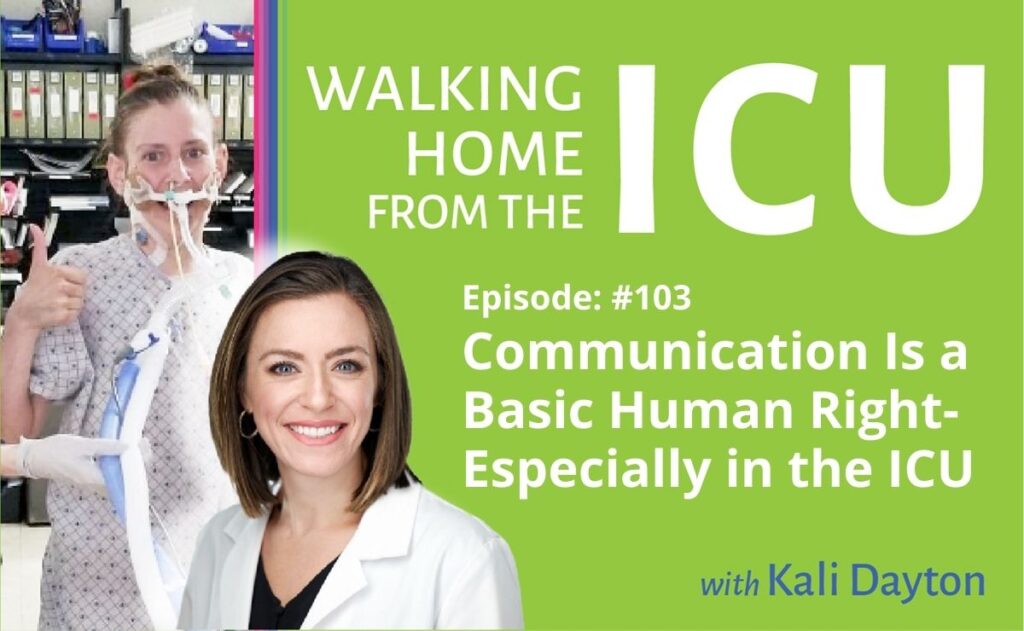
Walking From ICU Episode 103- Communication Is a Basic Human Right- Especially in the ICU

Walking Home From The ICU Episode 103: Communication Is a Basic Human Right- Especially in the ICU

This episode explores the value of communication in the ICU and the impact of our sedation and immobility practices on the basic human right of communication. Episode Transcription Kali Dayton 0:38 This episode is dedicated to communication and the ICU. This has taken me a long time to publish in part because it is so

Learn More > from Walking Home From The ICU Episode 103: Communication Is a Basic Human Right- Especially in the ICU

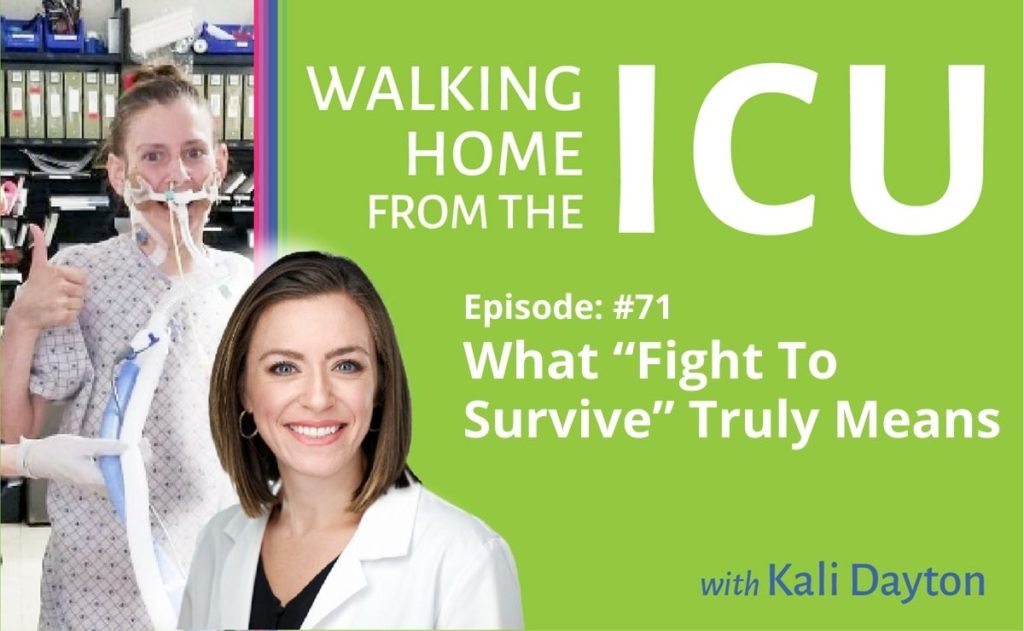
Walking From ICU Episode 71 What “Fight To Survive” Truly Means

Walking Home From The ICU Episode 71: What “Fight To Survive” Truly Means

When an ICU team started discussing end-of-life with 31-year-old Megan Wakley’s family, they fought to have her transferred to the “Awake and Walking ICU”. When research shows that the less sedation used and the more mobility performed the less likely patients are to die, what did that mean for Megan Wakely?   Episode Transcription Kali

Learn More > from Walking Home From The ICU Episode 71: What “Fight To Survive” Truly Means

Before Kali, our hospital struggled with overly-sedated patients and lack of early mobility. Despite multiple efforts to change the culture, we were at a standstill. In one hour, Kali was able to ignite a flurry of conversations regarding her experience with the Awake and Walking ICU and this immediately led to a change in clinical practice.

Patients with less sedation and other neurotoxic medications are spending fewer days on the ventilator. If you are considering starting an ICU early mobility program at your hospital, your first step needs to be to consult with Kali and absorb as much information as you can!

Matthew McClain, DPT
Florida, USA

READ MORE TESTIMONIALS >

DOWNLOAD THIS VALUABLE FREE REPORT

Perception Versus Reality: Debunking The Myths About Medically-Induced Comas

By clicking the Subscribe button, you agree to this site's Privacy Policy. Your information is always kept safe.