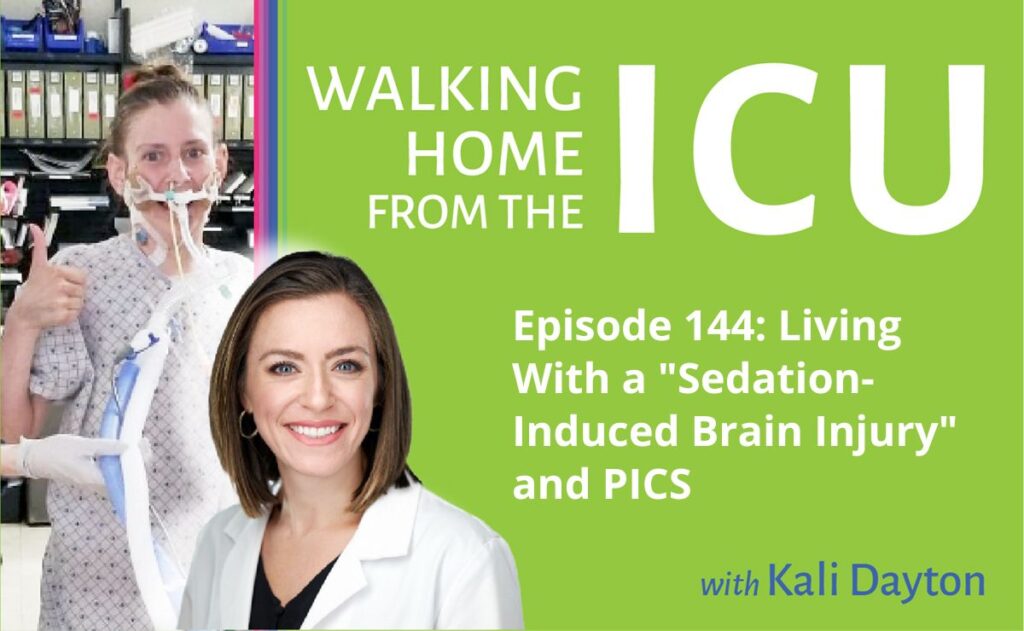
Episode 144: Living With a "Sedation-Induced Brain Injury" and PICS

Walking Home From The ICU Episode 144: Living With a “Sedation-Induced Brain Injury” and PICS

Until post-ICU syndrome is widely known and the impact is deeply appreciated, we will continue to fall short of evidence-based sedation and mobility practices. The real experts on post-ICU syndrome (PICS) are those that live with it. Carol Billian joins us now to share her personal expertise. Episode Transcription Kali Dayton 0:47 It’s time to
Learn More > from Walking Home From The ICU Episode 144: Living With a “Sedation-Induced Brain Injury” and PICS

Patients and Their Families Have the Right to Know the Risks of Sedation

Patients and Their Families Have the Right to Know the Risks of Sedation

Patient autonomy is a pillar of clinical ethics, and it’s vital to the integrity of any clinical practice. Observance of this principle works to uphold patients’ rights, fosters trust and collaboration, respects diversity, and empowers individuals to actively participate in decision-making regarding their healthcare. In our efforts to protect patient autonomy, one of the best

Learn More > from Patients and Their Families Have the Right to Know the Risks of Sedation

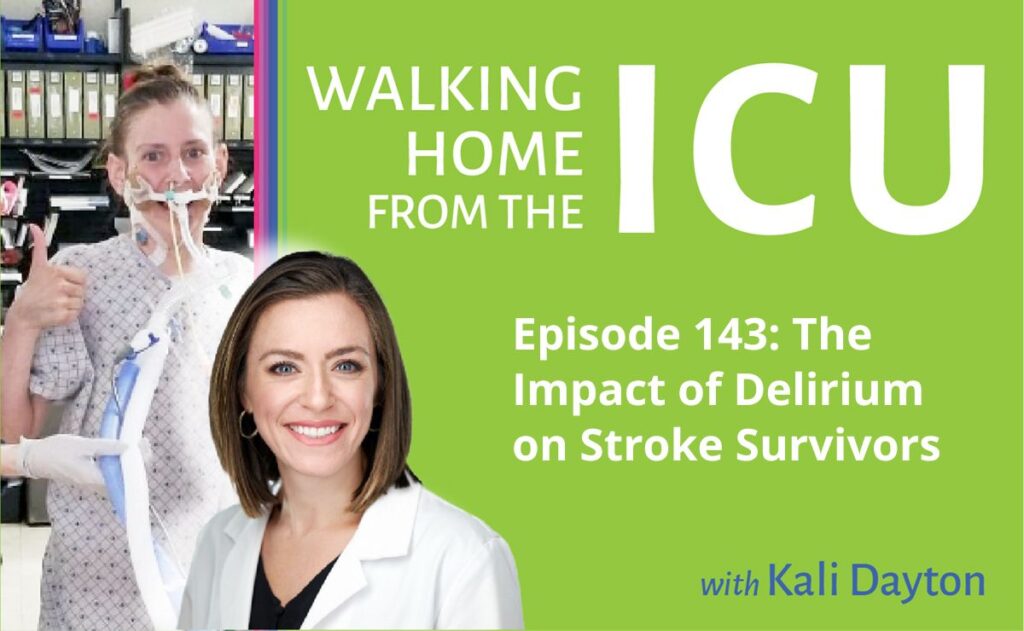
Episode 143- The Impact of Delirium on Stroke Survivors

Walking Home From The ICU Episode 143: The Impact of Delirium on Stroke Survivors

We know that stroke patients are at high risk of poor cognitive, physical, and psychological outcomes. How does delirium impact their outcomes and how can we better protect patients from additional brain injury from delirium? Episode Transcription Kali Dayton 0:00 Green. Rosa, welcome to the podcast. Can you introduce yourself to us? Rosa Hart, BSN,

Learn More > from Walking Home From The ICU Episode 143: The Impact of Delirium on Stroke Survivors

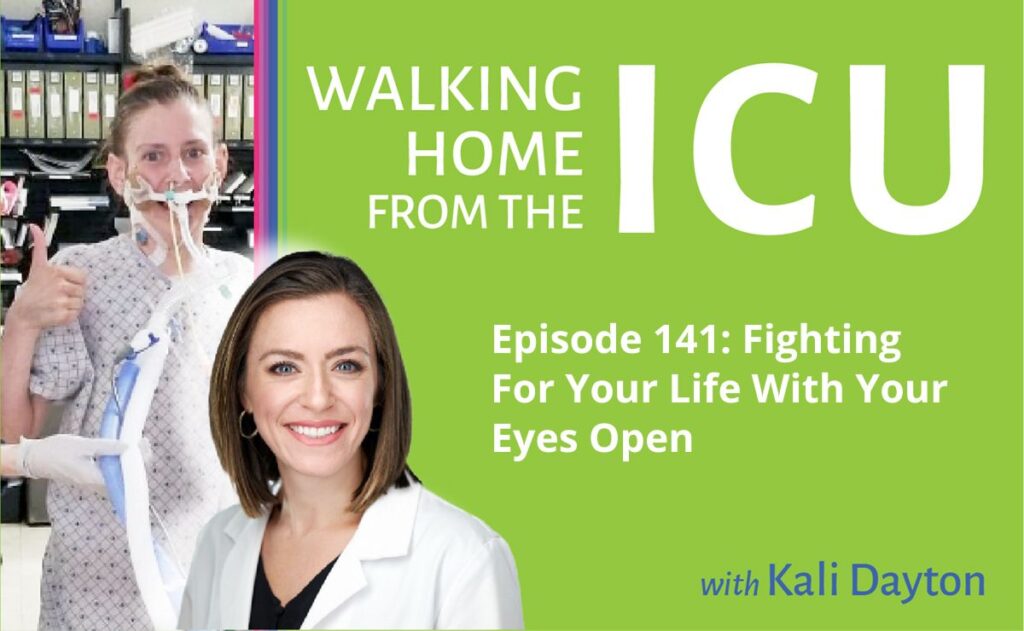
Episode 141: Fighting For Your Life With Your Eyes Open

Walking Home From The ICU Episode 141: Fighting For Your Life With Your Eyes Open

Sedation is often given with the hopes of sparing patients the discomfort and awareness of the struggles of the ICU. Yet, does that ultimately prevent harm and suffering? Antonette Montalvo, APRN shares with us what it meant to her to be able to fight for her life with her eyes open. Episode Transcription Kali Dayton

Learn More > from Walking Home From The ICU Episode 141: Fighting For Your Life With Your Eyes Open

ICU testimonialI stumbled upon Kali’s podcast midway through my anesthesia critical care fellowship in February 2021. At our institution, I got the impression that patients in the ICU either got better on their own or had a prolonged and complicated course to LTAC or death. In her podcast, Kali explained that LTAC was rarely the outcome for patients in the Awake and Walking ICU in Salt Lake City.

Their ICU survivors hardly ever got trached, PEGed, or sent to LTAC, and literally walked out of the hospital in condition as close to their previous health as they could be. Although the concept of using no sedation on ventilated patients was completely foreign to me, it made sense based on what I had read in the literature. I devoured all of the episodes from the beginning, many of them bringing tears and regret for my ignorance, followed by inspiration and hope in later episodes. Listening to her podcast has been one of the most profound experiences in my short, eight-year career in medicine.

After discovering the no sedation, early mobility practice at the Awake and Walking ICU, my focus shifted to bringing it to my own institution. I visited Salt Lake City in March to witness it with my own eyes. Since then, I’ve been in touch closely with Kali and Louise to learn the practical approaches to sedation wean and sedation avoidance for newly intubated patients in the ICU.

Mikita Fuchita, MD
Colorado, USA

READ MORE TESTIMONIALS >

DOWNLOAD THIS VALUABLE FREE REPORT

Perception Versus Reality: Debunking The Myths About Medically-Induced Comas

By clicking the Subscribe button, you agree to this site's Privacy Policy. Your information is always kept safe.