Improving ICU patient outcomes cannot stop at survival.
Every ICU team understands the urgency of keeping a patient alive, whether they’re suffering from shock, respiratory failure, sepsis, trauma, surgery, or multi-organ failure.
But survival alone does not tell the whole story.
A patient can survive the ICU and still leave with serious weakness, delirium-related trauma, cognitive changes, loss of independence, anxiety, depression, or a need for long-term facility care.
Families often understand this quickly. They’re grateful their loved one survived, but they also start asking questions, like:
- Can they walk?
- Can they go home?
- Can they think clearly?
- Will they remember what happened?
- Will they ever get back to the life they had before?
And these questions should matter inside the ICU, not only after discharge.
In any case, if ICU teams want to improve patient outcomes in a meaningful way, they need to look beyond mortality and ask what kind of survival their practices are helping create.
ICU Patient Outcomes Should Include More Than Mortality
Mortality will always remain one of the most important ICU outcomes, as it’s measurable, high-stakes, and deeply meaningful.
But mortality is only one part of the outcome picture.
Strong ICU patient outcomes should also include physical function, cognitive function, delirium burden, time on mechanical ventilation, discharge destination, ability to return closer to baseline function, psychological recovery, and family experience.
These outcomes are not soft measures, and they play a major role in shaping the patient’s life after survival.
What’s more, they also affect ICU workload, bed flow, discharge planning, long-term health-care costs, and family strain.
When teams only measure whether the patient lived, they can miss the preventable harm that follows the patient long after the ICU team has moved on to the next crisis.
To be clear, I’m not trying to say that ICU teams are ignoring these outcomes on purpose.
All ICU teams want better outcomes for their patients, but the challenge is that long-standing ICU practices, especially around sedation and immobility, can make those outcomes harder to achieve, and make them seem less meaningful.
Functional Recovery Starts in the ICU
Many ICU survivors struggle with weakness that affects every part of their daily lives.
They may not be able to stand without help, need assistance with basic activities, or leave the hospital unable to walk independently, even if they could before they were admitted.
But this loss of function is not always an unavoidable result of critical illness. Sedation and immobility, along with prolonged bed rest can contribute to ICU-acquired weakness and delayed recovery.
And that’s why early mobility matters.
A randomized controlled trial of mechanically ventilated ICU patients combined daily interruption of sedation with physical and occupational therapy in the earliest days of critical illness.
Patients who received early physical and occupational therapy were more likely to return to independent functional status at hospital discharge than those who received standard care.
That is a major outcome because it means the question isn’t only, “Did this patient survive mechanical ventilation?”
The question also becomes, “Did this patient leave the hospital with enough function preserved to go back to the way they were living before they were hospitalized?”
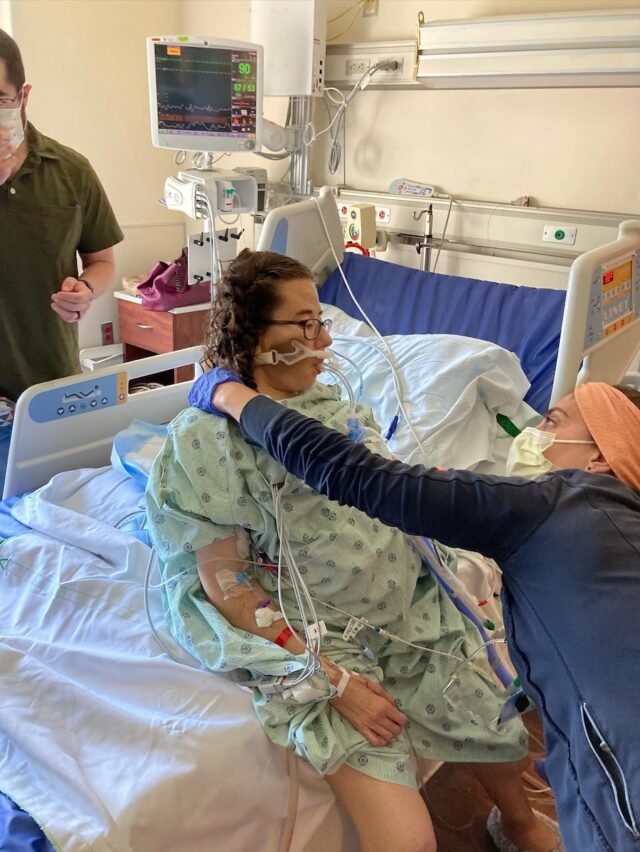
At this point, it’s important for me to point out that early mobility doesn’t mean forcing unsafe activity. It means assessing eligibility, coordinating across disciplines, and helping patients participate in appropriate movement as early as possible.
For some patients, that may mean sitting on the edge of the bed. For others, it may mean standing, transferring to a chair, marching in place, or even walking laps around the ICU.
The trick is knowing who can move, when they can move, how they should move, and how to support them safely.
Cognitive Recovery Also Matters
Families often expect weakness after critical illness, but they may not expect long-term cognitive changes.
However, many ICU survivors struggle with memory, attention, concentration, processing speed, and executive function after discharge. These changes can affect things like medication management, finances, work, relationships, driving, and independence.
Unfortunately, cognitive outcomes can remain invisible to ICU teams because the full impact often appears after the patient leaves the unit. But that doesn’t mean ICU practices have no role in maintaining cognition.
Delirium, deep sedation, sleep disruption, immobility, and lack of engagement can all affect the brain during critical illness.
One randomized controlled trial found that early mobilization reduced long-term cognitive impairment in ICU survivors after mechanical ventilation.
At one year, cognitive impairment occurred in 24% of patients in the early mobilization group compared with 43% of patients receiving usual care.
That is not a small difference, and it suggests that mobility affects more than muscle, and may also support the brain during and after critical illness.
A patient’s brain is not separate from the rest of their ICU experience, and this is one reason ICU teams need to connect daily care decisions to long-term recovery.
When patients remain deeply sedated, immobilized, disconnected from normal cues, and unable to participate in care, the consequences can last far beyond extubation and discharge.
Discharge Home Is a Meaningful Outcome
Discharge destination tells a story.
A patient who survives the ICU but is discharged to a long-term care facility, rehabilitation center, or skilled nursing facility may face a long and difficult road.
For some patients, that level of support is medically necessary. But when ICU practices can help preserve function and reduce preventable complications, discharge home becomes an important outcome to track.
Going home is not just a location. It can mean the patient preserved enough strength, cognition, and independence to return to a familiar environment. And it can also mean less disruption for families, fewer downstream costs, and a clearer path toward recovery.
For ICU leaders, discharge destination also matters operationally.
If patients survive but leave with greater disability, the health-care system still carries the cost, families still carry the burden, and hospital teams still face delays and complex discharge planning.
With that in mind, improving ICU patient outcomes means thinking about where patients are likely to go after the ICU, not only whether they leave the ICU alive.
ABCDEF Bundle Compliance Gives Teams a Practical Structure
The ABCDEF Bundle gives ICU teams a framework for protecting more than survival.
It brings together pain assessment and management, spontaneous awakening trials, spontaneous breathing trials, thoughtful sedation choices, delirium assessment and management, early mobility, and family engagement.
The bundle is not just a documentation exercise. It’s an interdisciplinary care structure.
It asks your team to coordinate decisions that often happen in silos by asking questions like:
- Who is managing pain?
- Can we turn sedation off?
- Is there an indication for sedation?
- How does the patient communicate?
- Is the patient ready for a breathing trial?
- Can the patient participate in mobility today?
- What medications may increase delirium risk?
- How can family support orientation, comfort, and engagement?
- If the patient is unable to mobilize, should we get them on a verticalization bed?
A randomized control trial looked at ABCDEF Bundle compliance and clinical outcomes in the ICU.
Staff education alone improved bundle compliance from 9% to 16%, and data literacy training increased compliance further to 21%.
Full ABCDEF Bundle compliance was associated with lower likelihood of next-day ICU and hospital mortality, lower likelihood of discharge to a facility other than home, and higher likelihood of next-day extubation.
And that’s important because many ICUs do not struggle from lack of awareness alone.
They know the bundle exists. They may even agree with it.
But the most difficult part is ensuring consistent bedside application.
A recent longitudinal analysis explored ABCDEF Bundle compliance and long-term outcomes over 12 months after discharge. Greater bundle compliance was associated with better functional independence and health-related quality of life at 12 months, though the associations were not consistent across all domains.
And that nuance matters.
The evidence does not suggest that one checklist fixes every long-term outcome. It suggests that compliance, fidelity, interdisciplinary work, and post-discharge recovery all deserve attention.
For ICU teams, that is the practical lesson here.
Better outcomes require more than just knowing the evidence. They require a care culture that can apply it consistently, measure it honestly, and adjust when gaps appear.
Culture Change Determines Whether Evidence Reaches the Bedside
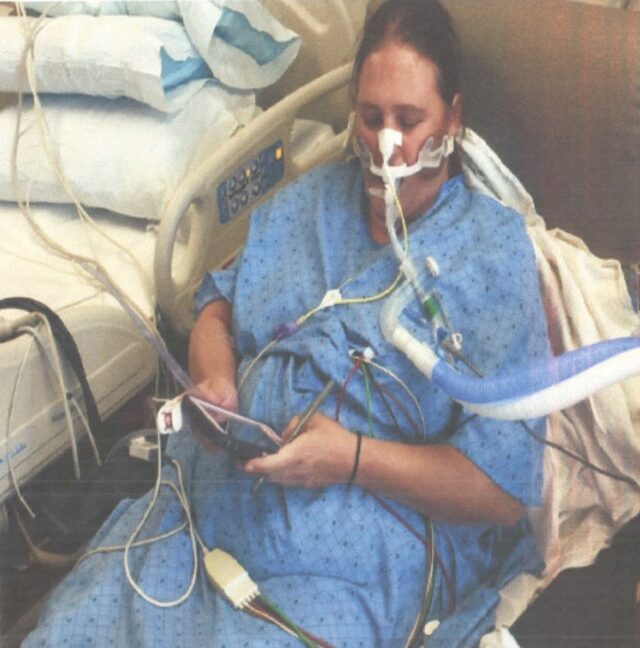
Most ICU teams do not need more pressure. They need support.
Many clinicians already know deep sedation and immobility carry risks.
Moreover, they know delirium can be devastating, they know early mobility can help, and they know how important the ABCDEF Bundle is.
But even after all of this, protocols don’t always change.
Because ICU culture is powerful.
If a team believes intubated patients should automatically be deeply sedated, then sedation becomes the default.
If mobility depends on one passionate physical therapist or one nurse who feels confident, it becomes inconsistent.
If respiratory therapy, nursing, physicians, rehab, and leadership are not aligned, everyone may wait for someone else to take the first step.
And if staff fear falls, line removal, agitation, self-extubation, or workflow disruption, then immobility can feel safer even when it increases other risks.
At any rate, protocols help, but they do not change culture by themselves. Education also helps, but it does not always change behavior, especially when clinicians find themselves under pressure.
ICU teams need practical support that addresses real bedside barriers.
They need shared criteria, leadership buy-in, and staff who can recognize which patients are eligible for awakening and movement.
What’s more, they need interdisciplinary rounding that includes sedation, breathing, delirium, and mobility goals, and space to ask tough questions without feeling shamed or blamed.
All things considered, an Awake and Walking ICU™ can’t come from one champion trying to convince everyone alone.
It requires a team-wide shift in what your ICU considers normal, safe, and possible.
What ICU Teams Can Start Measuring Differently
What teams measure tells staff what leadership values.
So, if the dashboard focuses only on survival, length of stay, and ventilator days, other outcomes may stay hidden.
ICU leaders who want to improve patient outcomes beyond survival can begin by tracking measures such as:
- Ventilator-free days
- Discharge destination
- ICU-acquired weakness
- Sedation depth and duration
- Delirium incidence and duration
- Family participation in care planning
- Return to baseline function at discharge
- Patient and family-reported recovery concerns
- Staff confidence with awake and mobile ventilated patients
- Daily spontaneous awakening and breathing trial completion
- The percentage of eligible patients mobilized within the first 72 hours
These measures help teams see whether their care practices support survival alone or survival with better recovery.
And they also help leadership identify barriers and ask more important questions, like:
- If eligible patients are not mobilizing, why not?
- If families are not involved, what information or structure do they need?
- If sedation remains deep without a clear indication, what is driving that decision?
- If staff do not feel safe mobilizing ventilated patients, what training, staffing, equipment, or collaboration needs to change?
Better ICU Patient Outcomes Protect the Life Patients Return To
Patients and families rarely describe ICU success in terms of clinical metrics.
They talk about whether their loved one came home, whether they could walk into the house on their own, and if they recognized family members, slept at night, remembered what happened, returned to work, or felt like themselves again.
Those outcomes are deeply human, but they’re also clinically relevant.
Critical care can save a life and still leave room to ask better questions about the life being saved. This includes things like:
- Can sedation be reduced?
- Can we start mobility sooner?
- Can this patient be awake safely?
- Can we prevent or shorten delirium?
- Can family help with orientation and engagement?
- Can the team preserve strength, cognition, dignity, and autonomy while treating critical illness?
The questions about these outcomes aren’t intended to compete with survival.
They’re meant to strengthen it and further improve quality of life for those who survive the ICU.
Your ICU team may understand the evidence, but still struggle to apply the ABCDEF Bundle.
Book a free consultation to explore where your team is getting stuck and what support may help you become an Awake and Walking ICU™.